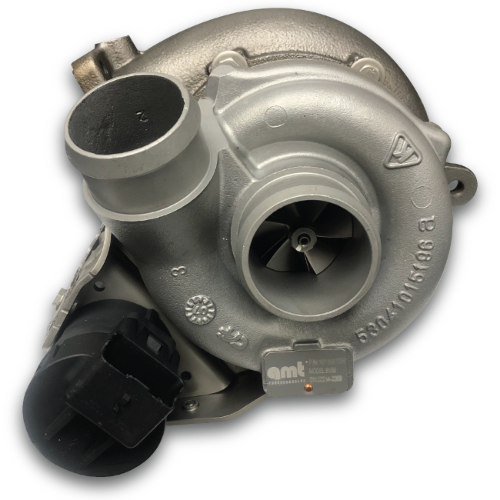
TURBOCHARGER REMANUFACTURING PROCESS

Turbo Diesel Services specialises is the remanufacturing of turbochargers, restoring faulty, worn, or outdated units into high-quality, reliable components. 

Our remanufacturing process begins with a thorough inspection of each component. This meticulous examination ensures every part meets our quality standards, as we assess the condition of the turbocharger and identify what requires attention or replacement. 

Once repairs and replacements are made, our experienced technicians skillfully assemble the components into a fully functional turbocharger. This stage demands precision to ensure the unit operates efficiently and reliably. 

To confirm the performance and reliability of every remanufactured turbocharger, we subject it to rigorous testing procedures that evaluates performance under various conditions, ensuring it meets or exceeds industry standards. 

Once it has passed all tests, the fully restored turbocharger is carefully packed to protect it during transit, so that it arrives at its destination in perfect condition. 

BEFORE
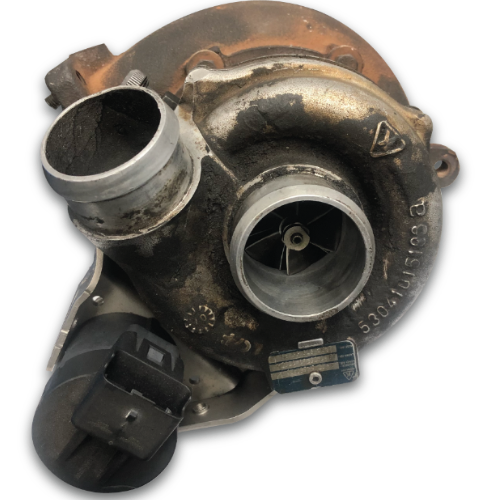
AFTER

BEFORE

AFTER

OUR TURBO REMANUFACTURING PROCESS

STEP 1

STRIPPING

STRIPPING

In the process of taking apart an aged turbo, a regulated method is used to safeguard the materials. Components that wear out, like bearing and seal rings, are disposed of as their reuse is not possible.

STEP 2

CLEANING

CLEANING

The bearings, compressor wheel, and turbine wheels undergo a meticulous cleaning process. The turbine housing is exposed to a high-heat cleaning method, along with steel blasting, while the compressor covers are treated with a high-pressure, water-based, glass bead blower to effectively get rid of any leftover debris or impurities.

STEP 3

INSPECTION

INSPECTION

Each element of the aged turbocharger undergoes rigorous scrutiny to ensure it complies with acceptable design parameters. Components that fail to satisfy the required criteria during the examination are discarded. These components are substituted with parts from AMT Turbocharger, guaranteeing the turbocharger's construction adheres to the highest standards of quality and dependability.

STEP 4

ROTOR BALANCING

ROTOR BALANCING

Employing our Redat Turbomax-10 equilibrium worktop, we carefully balance the compressor wheel, turbine wheel and related components to guarantee a seamless and effective function.

STEP 5

CARTRIDGE ASSEMBLY

CARTRIDGE ASSEMBLY

The procedure of constructing the cartridge necessitates meticulous attention to detail to guarantee the unhindered rotation of the rotor assembly. This is achieved by properly positioning every c-clip and bearing. The rotor assembly's nut is tightened to the precise torque value as per the cartridge's specification.

STEP 6

CARTRIDGE BALANCING

CARTRIDGE BALANCING

The Centre Housing and Rotating Assembly (CHRA) is subjected to a recalibration procedure on our Turbo Technics VSR bench. Alongside this recalibration, every CHRA is tagged with a unique barcode serial number, which guarantees traceability and maintains high standards of quality control throughout the production process.

STEP 7

ASSEMBLY

ASSEMBLY

The process of putting together a turbocharger demands meticulous care and precision to guarantee that every torque bolt and nut is appropriately tightened as per the turbo's guidelines.

STEP 8

FLOW TESTING

FLOW TESTING

The electronic/vacuum actuator undergoes meticulous calibration on a flow bench, guaranteeing detailed supervision of the exhaust gases that pass through the turbine wheel blades. This, in turn, provides the precise boost that the engine requires.

STEP 9

FLOW TESTING

LABELING

Every turbocharger comes attached with a label, imprinted by a laser, that carries a distinctive part and serial number, offering an identifiable tracking system for the turbocharger.

STEP 10

PACKAGING

PACKAGING

Once the turbocharger is securely enclosed, it is carefully positioned in a container padded with gentle, absorbent paper along with a fitting kit. This is to safeguard it throughout its transit.

STEP 1

STRIPPING

STRIPPING

In the process of taking apart an aged turbo, a regulated method is used to safeguard the materials. Components that wear out, like bearing and seal rings, are disposed of as their reuse is not possible.

STEP 2

CLEANING

CLEANING

The bearings, compressor wheel, and turbine wheels undergo a meticulous cleaning process. The turbine housing is exposed to a high-heat cleaning method, along with steel blasting, while the compressor covers are treated with a high-pressure, water-based, glass bead blower to effectively get rid of any leftover debris or impurities.

STEP 3

INSPECTION

INSPECTION

Each element of the aged turbocharger undergoes rigorous scrutiny to ensure it complies with acceptable design parameters. Components that fail to satisfy the required criteria during the examination are discarded. These components are substituted with parts from AMT Turbocharger, guaranteeing the turbocharger's construction adheres to the highest standards of quality and dependability.

STEP 4

ROTOR BALANCING

ROTOR BALANCING

Employing our Redat Turbomax-10 equilibrium worktop, we carefully balance the compressor wheel, turbine wheel and related components to guarantee a seamless and effective function.

STEP 5

CARTRIDGE ASSEMBLY

CARTRIDGE ASSEMBLY

The procedure of constructing the cartridge necessitates meticulous attention to detail to guarantee the unhindered rotation of the rotor assembly. This is achieved by properly positioning every c-clip and bearing. The rotor assembly's nut is tightened to the precise torque value as per the cartridge's specification.

STEP 6

CARTRIDGE BALANCING

CARTRIDGE BALANCING

The Centre Housing and Rotating Assembly (CHRA) is subjected to a recalibration procedure on our Turbo Technics VSR bench. Alongside this recalibration, every CHRA is tagged with a unique barcode serial number, which guarantees traceability and maintains high standards of quality control throughout the production process.

STEP 7

ASSEMBLY

ASSEMBLY

The process of putting together a turbocharger demands meticulous care and precision to guarantee that every torque bolt and nut is appropriately tightened as per the turbo's guidelines.

STEP 8

FLOW TESTING

FLOW TESTING

The electronic/vacuum actuator undergoes meticulous calibration on a flow bench, guaranteeing detailed supervision of the exhaust gases that pass through the turbine wheel blades. This, in turn, provides the precise boost that the engine requires.

STEP 9

FLOW TESTING

LABELING

Every turbocharger comes attached with a label, imprinted by a laser, that carries a distinctive part and serial number, offering an identifiable tracking system for the turbocharger.

STEP 10

PACKAGING

PACKAGING

Once the turbocharger is securely enclosed, it is carefully positioned in a container padded with gentle, absorbent paper along with a fitting kit. This is to safeguard it throughout its transit.

LEARN MORE ABOUT THE EQUIPMENT WE USE